
Dr. Charles Drew
Blood Bank Inventor
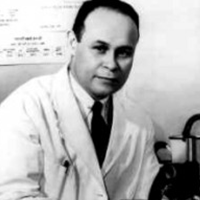
It's impossible to determine how many hundreds of thousands of people would have lost their lives without the contributions of African-American inventor Dr. Charles Drew. This physician, researcher and surgeon revolutionized the understanding of blood plasma – leading to the invention of blood banks.
Born in 1904 in Washington, D.C., Charles Drew excelled from early on in both intellectual and athletic pursuits. After becoming a doctor and working as a college instructor, Drew went to Columbia University to do his Ph.D. on blood storage. He completed a thesis titled Banked Blood that invented a method of separating and storing plasma, allowing it to be dehydrated for later use. It was the first time Columbia awarded a doctorate to an African-American.
At the onset of World War II, Drew was called upon to put his techniques into practice. He emerged as the leading authority on mass transfusion and processing methods, and went on to helm the American Red Cross blood bank. When the Armed Forces ordered that only Caucasian blood be given to soldiers, Drew protested and resigned.
Frequently Asked Questions About Dr. Charles Drew
Who was Dr. Charles Drew?
Dr. Charles Drew was an African American physician, surgeon, and medical scientist known for his pioneering work in blood plasma preservation and blood banking. His research saved countless lives and transformed modern transfusion medicine.
What did Dr. Charles Drew invent?
Dr. Charles Drew did not invent blood transfusion itself, but he developed improved methods for blood plasma storage and blood banking that made long-term preservation and large-scale distribution possible. His methods were critical to World War II medical efforts.
How did Dr. Charles Drew’s work impact blood donation?
Dr. Drew’s work helped establish the first large-scale blood banks. By focusing on plasma rather than whole blood, he enabled the safe transport and storage of blood products, which made blood donation systems more efficient and effective.
Where did Dr. Charles Drew conduct his research?
Dr. Charles Drew conducted his research at several institutions, including Howard University, Morgan State College, and the American Red Cross blood program during World War II. His leadership helped shape organized blood banking practices.
What is blood plasma, and why was Dr. Drew’s work important?
Blood plasma is the liquid component of blood that carries cells and proteins throughout the body. Dr. Charles Drew’s methods allowed plasma to be separated, stored, and transported safely, which improved emergency medical care on the battlefield and in civilian hospitals.
Did Dr. Charles Drew help found blood banks?
Yes. Dr. Drew was instrumental in developing and directing early blood bank programs that supplied blood plasma to hospitals and military units, particularly during World War II. His work laid the foundation for modern blood bank systems.
Was Dr. Charles Drew recognized for his contributions?
Yes. While he faced racial barriers in his career, Dr. Charles Drew received recognition for his scientific achievements, leadership, and humanitarian impact. His legacy continues to be honored in medical communities and educational institutions.
What challenges did Dr. Charles Drew face as an African American scientist?
Despite his expertise, Dr. Charles Drew encountered racial discrimination in academia and medical institutions. Even so, he persisted in advancing medical science and advocating for equal opportunity within the medical profession.
How did Dr. Charles Drew influence modern medicine?
Dr. Charles Drew’s work fundamentally changed how blood products are collected, stored, and used in transfusions. His innovations saved lives during wartime and shaped protocols that remain in use in hospitals and blood banks around the world today.
Are Dr. Charles Drew’s methods still used today?
While medical technology has advanced, the core principles of blood plasma preservation and blood bank organization that Dr. Charles Drew developed continue to influence current practices in transfusion medicine.
How can people learn more about Dr. Charles Drew’s life and work?
Individuals can explore historical archives, medical journals, biographies, academic resources, and museum exhibits dedicated to the history of blood banking and African American scientific contributions.
Why is Dr. Charles Drew featured on Black-Inventor.com?
Dr. Charles Drew is featured because he made historic contributions to medical science and public health, and because his achievements highlight the impact of African American innovators in the history of modern medicine.
For more information on Dr. Charles Richard Drew, refer to:
American Red Cross Museum – Dr. Charles Drew
Who Made America? Innovators: Charles Richard Drew
Engines of Our Ingenuity: Charles Richard Drew